Reducing Freight Costs with Smart Consolidation Strategies
Reducing freight costs isn’t only about getting lower rates from carriers. In many cases, the biggest savings come from how you combine, time, and route shipments. Smart consolidation strategies can reduce your cost per unit, stabilize service levels, and give you more bargaining power with carriers.
Below is a structured look at how to use consolidation to cut freight spend without damaging service quality.
1. What Freight Consolidation Really Means
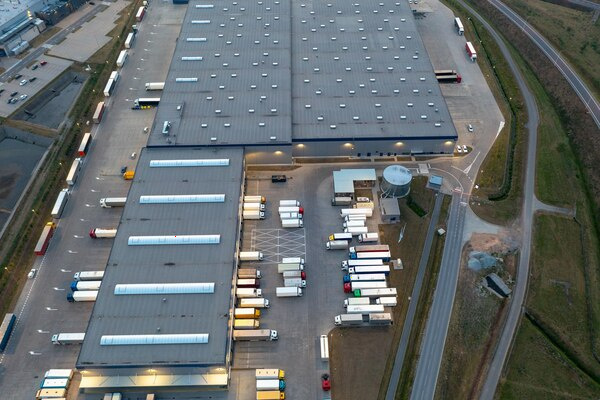
Freight consolidation is the practice of combining multiple shipments into a larger load to move them more efficiently. Instead of sending many small, separate shipments, you group them into:
- Full Truckload (FTL) instead of multiple Less‑Than‑Truckload (LTL) moves
- Fewer ocean containers instead of many partially filled ones
- Combined airfreight or deferred services instead of single expedited moves
The goal is to maximize equipment utilization (truck, container, pallet space) while keeping transit times within acceptable limits.
Key economic drivers:
- Lower cost per unit: A full truck or container usually has a lower cost per kilo/cubic meter than several partial loads.
- Fewer handling points: Fewer transfers can reduce damage, loss, and accessorial charges.
- Better rate leverage: Larger, more predictable volumes improve negotiating power with carriers and 3PLs.
2. Core Consolidation Models
2.1 Multi-stop truckload (load consolidation)
Combine multiple shipments that share a similar route into a single truckload:
- One origin → multiple consignees along a route
- Multiple origins in a region → one or more consignees
Use when:
- Shipments are too small for full truckload individually
- Customers are along logical, geographically efficient paths
- Delivery windows can accommodate slightly longer transit times
Benefits:
- Truckload pricing over LTL rates
- Fewer shipments and accessorials
- Better control over handling and damage
2.2 Pool distribution and pool consolidation
Pool distribution: Ship a full truckload from a DC to a regional pool point, then break bulk into local LTL or parcel deliveries.
Pool consolidation: Collect small shipments from multiple nearby shippers or locations to a pool point, consolidate, then send as full truckloads or full containers.
Use when:
- Serving many small customers in a defined region
- You have fragmented shipment sizes but consistent flows
- Last-mile distances are short from the pool
Benefits:
- Linehaul savings from full loads
- Local carriers do short, dense routes, reducing cost and improving service
2.3 Milk runs
A milk run is a planned, repeating route where one vehicle:
- Collects shipments from multiple suppliers for one plant/DC, or
- Delivers from one DC to multiple customers on a fixed circuit
Use when:
- High frequency, smaller volume shipments
- Suppliers/customers clustered in a region
- Stable demand patterns
Benefits:
- Predictable routes and schedules
- Reduced empty miles
- Lower inventory at origins and destinations through more frequent, planned picks or drops
2.4 Cross-docking
Cross-docking minimizes storage by quickly transferring inbound consolidated loads to outbound vehicles.
Use when:
- Goods are fast-moving and pre-allocated to customers
- Shipment timing is critical, but you still want consolidation
- You want to avoid long-term warehousing costs
Benefits:
- Reduced handling and storage
- Faster throughput with some consolidation benefits
- Lower overall inventory holding
3. Key Strategies to Enable Smart Consolidation
3.1 Align shipment frequency with order patterns
You can’t consolidate what you don’t control. Review order and shipping patterns:
- Move from “ship every order immediately” to planned shipping days per customer or region
- Agree on service-level windows (e.g., twice a week deliveries) rather than next-day by default
- Offer incentives for customers who accept consolidated delivery schedules
Tools:
- Customer-specific routing guides
- Order cut-off times aligned to consolidation cycles
- Minimum shipment thresholds for free or discounted shipping
3.2 Use multi-stop and route optimization tools
Manual planning won’t reliably find the best consolidation opportunities. Use:
- Transportation Management Systems (TMS) with:
- Multi-stop truckload planning
- Mode optimization (LTL vs FTL, parcel vs LTL)
- Carrier selection based on cost and service
- Route optimization algorithms to:
- Sequence stops
- Respect time windows
- Minimize distance, tolls, and empty miles
Outcome: More systematic consolidation, less reliance on “planner experience,” and consistently lower cost per shipment.
3.3 Time-based vs quantity-based consolidation
Two fundamental approaches:
- Time-based: Consolidate all orders received within a defined time window (e.g., daily, every 48 hours) into a shipment.
- Quantity-based: Consolidate until reaching a target threshold (e.g., truckload volume, container utilization, or cost target), then ship.
Hybrid strategies:
- Set maximum waiting time + volume target
- Example: “Ship when at least 80% of a 40’ container is filled or after 3 days, whichever comes first.”
Helps balance cost savings with on-time delivery.
3.4 Product and packaging standardization
Better standardization increases how effectively you can pack trucks and containers:
- Use common pallet footprints and heights
- Rationalize carton sizes to build stable, dense pallet loads
- Reduce void space in packaging where product safety allows
- Label and barcode consistently to speed cross-docking and consolidation
Results:
- Higher cube utilization (more product per load)
- Fewer damaged goods due to more stable loading
- Less time spent rearranging freight at consolidation centers
3.5 Vendor and customer collaboration
Consolidation improves when upstream and downstream partners are aligned:
With suppliers:
- Consolidate orders across product lines where possible
- Align delivery days and windows to enable milk runs
- Consider vendor-managed inventory (VMI) where suppliers ship based on shared consumption data
With customers:
- Promote order patterns that support consolidation (e.g., weekly orders)
- Discuss acceptable lead times and delivery frequency
- Share shipment visibility so they understand the trade-off between speed and cost
4. Mode-Specific Consolidation Tactics
4.1 LTL and parcel
- Auto-consolidate LTL shipments to the same consignee or region within a time window
- Convert qualifying LTL moves to multi-stop truckload when combined volumes justify it
- Consolidate parcel into LTL:
- Establish “ship LTL” thresholds (e.g., above certain weight/volume)
- Use cartonization tools to decide when parcels should be shipped as palletized LTL
4.2 Truckload
- Combine origin points:
- Use cross-docks or consolidation centers to build full loads from multiple plants or suppliers
- Backhauls and continuous moves:
- Plan return routes where trucks pick up outbound consolidated loads near delivery points
- Link outbound and inbound freight to reduce empty miles
4.3 Ocean freight
- Use fewer but fuller containers:
- Align purchase order release dates from multiple vendors
- Consolidate at origin CFS (Container Freight Station)
- Consider vendor consolidation programs:
- Multiple vendors deliver to a single origin hub for shared containers
- Balance slow vs fast lanes:
- Place slower-moving SKUs or less time-sensitive orders on more consolidated, slower services
4.4 Airfreight
- Switch urgent but non-critical shipments from air express to consolidated/deferred air
- Establish weekly or bi-weekly air consolidation flights for key trade lanes
- Combine shipments from multiple business units or even multiple companies via a 3PL consolidator
5. Data and Analytics: Finding Your Best Opportunities
Consolidation success depends heavily on good data and focused analysis.
Key data elements:
- Shipment history (weight, volume, origin/destination, mode, transit time, cost)
- Order frequency and variability by customer and lane
- Accessorial charges and handling points
- Carrier capacity and lane performance
Analytical steps:
- Identify high-cost lanes where many small shipments go to the same geography.
- Cluster analysis: Group customers or destinations into regional clusters suitable for pool points or multi-stop routes.
- Simulate consolidation scenarios:
- What if deliveries to Region X changed from daily to twice weekly?
- What if LTL on Lane Y was replaced with multi-stop truckload?
- Compare costs and service:
- Total transport cost, cost per unit, and average transit time
- On-time performance and inventory impact
This data-driven approach reveals where consolidation can deliver the largest savings with acceptable service trade-offs.
6. Balancing Cost Savings with Service and Inventory
Consolidation nearly always involves trade-offs:
- Longer lead times: Waiting to build a full load can increase order-to-delivery time.
- Inventory positioning: Slower deliveries may require higher safety stock at destination.
- Service promises: Some customers require frequent, small, just-in-time deliveries.
Mitigation strategies:
- Segment customers and products:
- High-priority or high-margin items may ship faster, less consolidated.
- Standard or low-margin products follow more aggressive consolidation rules.
- Use regional DCs or forward stocking locations:
- Consolidate long-haul moves, then replenish smaller, local deliveries more frequently.
- Employ dynamic rules:
- Adjust consolidation windows during peak demand or promotional periods.
- Shorten windows when service risk is high; extend them when capacity is tight or cost pressure is intense.
7. Practical Implementation Steps
7.1 Start with a pilot
- Choose 1–3 lanes or regions with:
- High costs
- Many small shipments
- Stable volumes
- Define KPIs:
- Transportation cost per unit
- On-time delivery rate
- Damage and claim rates
- Customer satisfaction feedback
Run the pilot for several months before rolling out more broadly.
7.2 Enhance systems and visibility
- Ensure your TMS or 3PL partner can:
- Perform consolidation and multi-stop planning
- Provide real-time tracking by shipment and stop
- Handle rating logic for multiple modes
- Integrate with WMS and order management so:
- Orders are visible early for planning
- Cut-off times and consolidation rules are enforced automatically
7.3 Align people and processes
- Train planners to think in terms of networks and lanes, not just single orders.
- Standardize rules:
- When to consolidate
- When to break consolidation for urgent orders
- Escalation procedures when capacity is constrained
- Communicate changes to sales and customer service teams so they can set the right expectations with customers.
7.4 Continuously improve
- Review lane performance quarterly:
- Compare expectations vs actual savings and service
- Adjust consolidation windows and rules
- Monitor exceptions:
- Frequent urgent shipments may indicate poor forecasting or planning.
- Excessive delays may mean windows are too long or capacity is misaligned.
8. Working with Third-Party Logistics Providers (3PLs)
3PLs often have:
- Established consolidation programs by region or trade lane
- Multiple customers whose volumes can be combined for better rates
- Advanced planning tools and visibility systems
Consider:
- Joining shared-user networks where your volumes are consolidated with others
- Custom-designed pool distribution or milk-run programs
- Gainshare models where you and the 3PL split documented cost savings
Ensure contracts include:
- Clear service-level agreements
- Data-sharing provisions
- Transparent costing and savings calculations
9. Measuring the Financial Impact
To quantify the effect of consolidation:
Track before/after metrics:
- Transport cost per kg, per pallet, or per order
- Average load factor (weight/cube utilization) per truck/container
- Number of shipments and handling events per month
- Damage claims and accessorial fees
Typical outcomes when consolidation is executed well:
- 5–20% reduction in transportation cost on targeted lanes
- Lower damage and accessorials from fewer hand-offs
- More predictable shipment flows and carrier performance
Implementing smart consolidation strategies is less about a single tactic and more about redesigning how freight flows across your network. By rethinking shipment frequency, using the right planning tools, collaborating with partners, and carefully managing service trade-offs, you can significantly reduce freight costs while maintaining or even improving overall supply chain performance.